Technology
Why AI hallucinations show up in legal research
September 29, 20263 min read
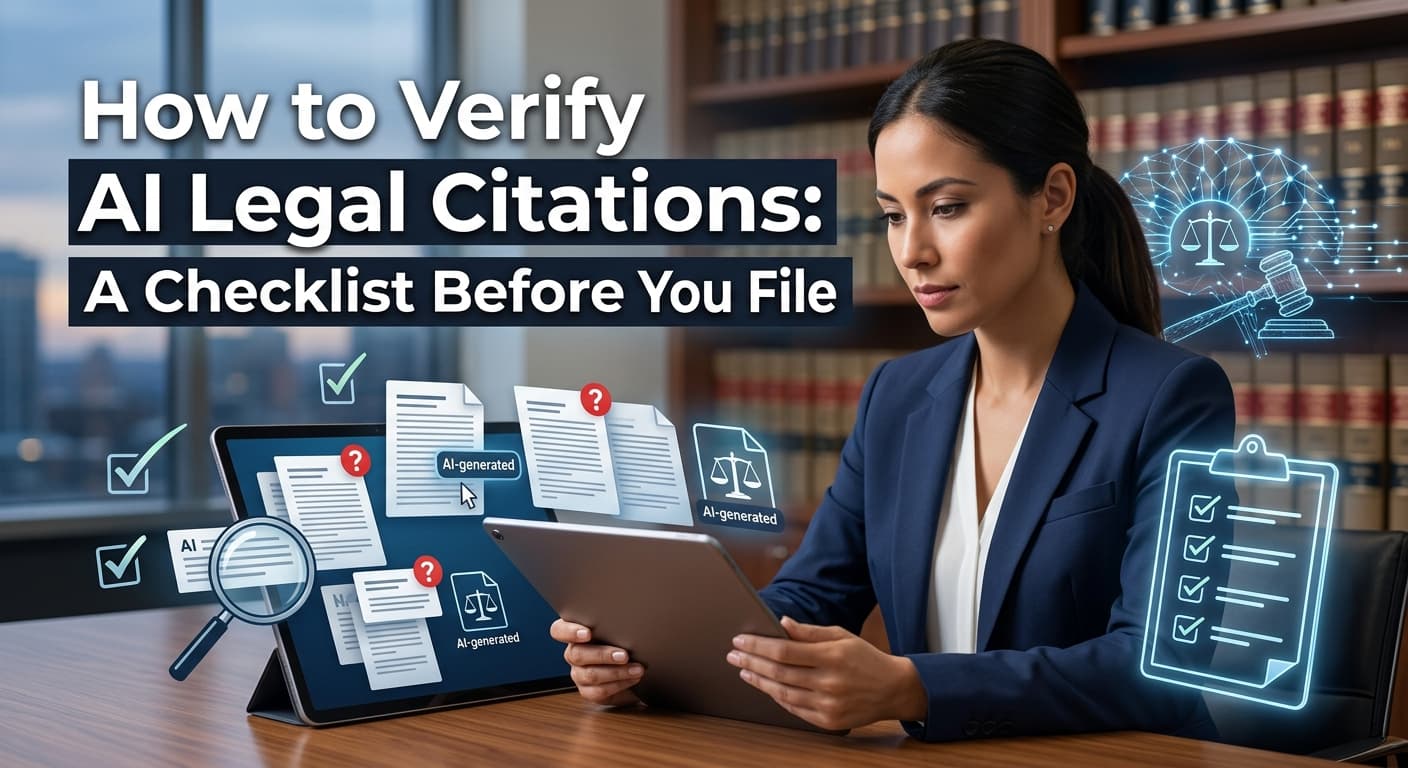
AI legal research tools can draft a memo in minutes. They can also produce a case that doesn't exist, complete with a convincing name, court and citation. Courts have sanctioned lawyers who filed AI-generated citations without checking them. Knowing how to verify AI legal citations is now a basic professional skill.
Why AI hallucinations show up in legal research
Generative AI predicts text that sounds right. It doesn't look cases up unless the tool is built to. A citation can look perfect and still be wrong, because the model has learned the pattern of a citation, not whether the case is real. This is why AI hallucinations in legal research are so risky. The output reads as authoritative.
A five-step checklist to verify AI legal citations
- Find the case in a primary source. Search for it by party names and citation in an official reporter or a reputable legal database. If you can't find it, treat it as invented until proven otherwise.
- Read the full opinion. Confirm the court, date and judge match what the AI gave you. Don't rely on a summary.
- Confirm the holding. Check that the case actually says what the AI claims. Real cases are often cited for points they never decided.
- Check that it is still good law. Use a citator to see whether the case has been overturned, limited or criticized.
- Check quotes word for word. Find any quoted passage in the opinion. Invented quotations are common.
- Apply the same checks to statutes, regulations and court rules, and confirm the version in force on the date that matters.
What to look for in an AI legal research tool
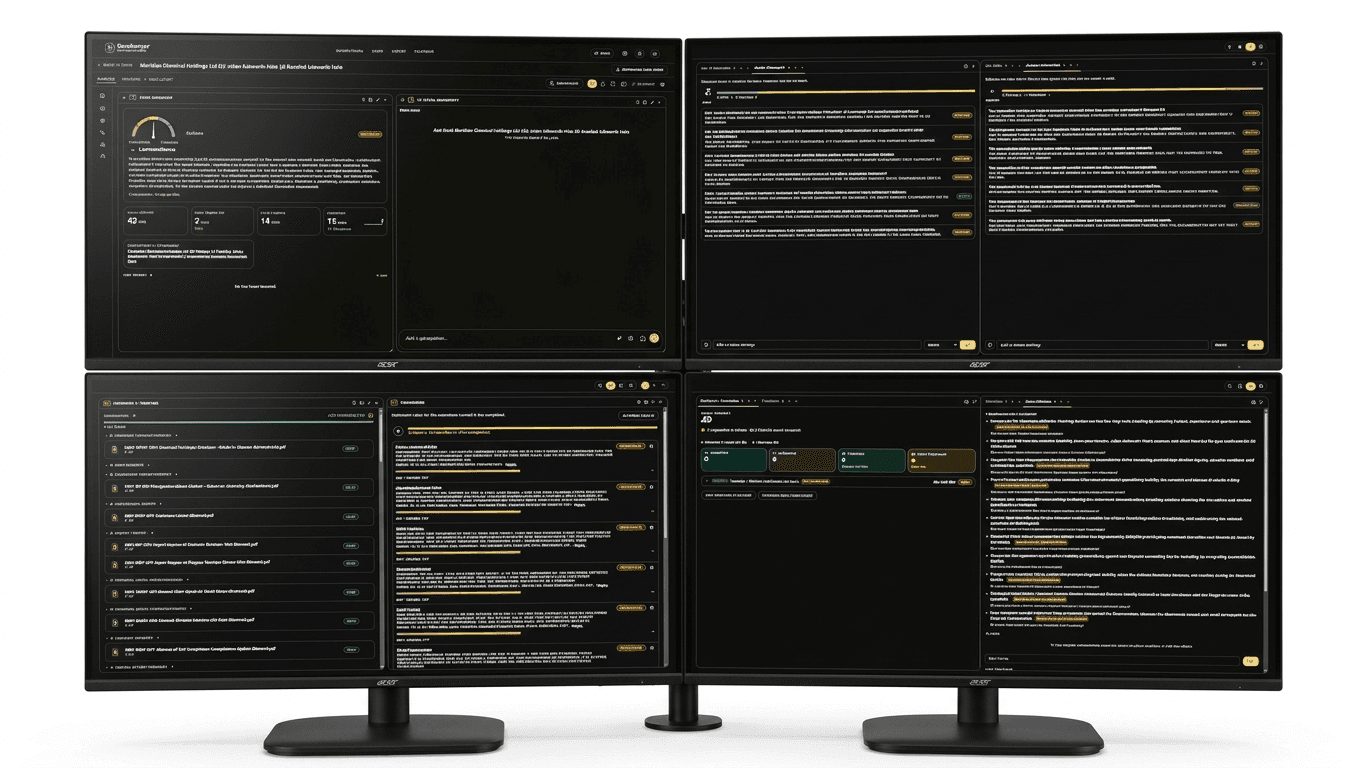
The most useful feature is a tool that shows its sources. When an answer links straight to the underlying document, checking takes a minute instead of an hour. Look for:
- Citations tied to the original source documents, not generated from memory.
- The ability to attach your own case documents and ask questions about them.
- A clear marker showing which authorities have been checked.
- A research library that uses the same verification as the chat.
Build verification into your workflow
- Record where each authority was verified.
- Have a second person check anything going to a court.
- Adopt a firm rule that no AI-supplied citation is filed until someone has read the source.
The takeaway
AI can speed up legal research and drafting. Verifying every citation is still the lawyer's responsibility. A few minutes of checking costs far less than explaining a fake case to a judge.
Tools worth a look
Which tool fits depends on the work you do. A few options firms are using in 2026:
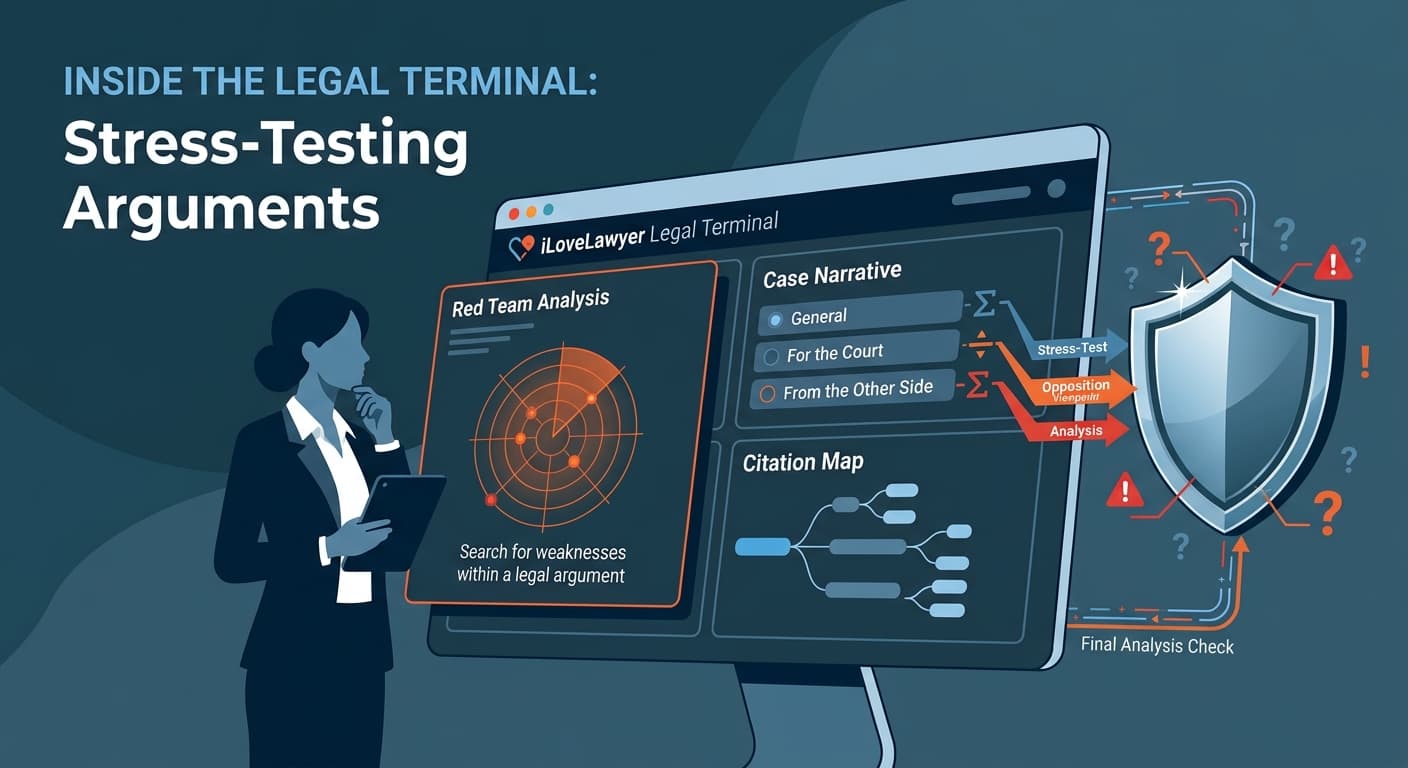
- ilovelawyer: an AI assistant that returns answers with citations verified against source documents. It marks precedents as "Vetted," and it applies the same citation verification to its case law and statute library.
- Clio (Manage AI): works from a firm's own Clio records to summarize matters, draft communications and pull deadlines from filings. It suits firms already using Clio.
- CS Disco (Cecilia): built for e-discovery, with cited answers across large case files.
- NexLaw (ChronoVault): a specialist tool for building searchable timelines from case documents.
- MyCase (8am IQ): aimed at everyday tasks in small firms, such as writing help and document summaries.
Sponsored Recommendations
Share this article